Wardogs Season 2 Spawn Changes Target Blue Team's 15% Winrat…
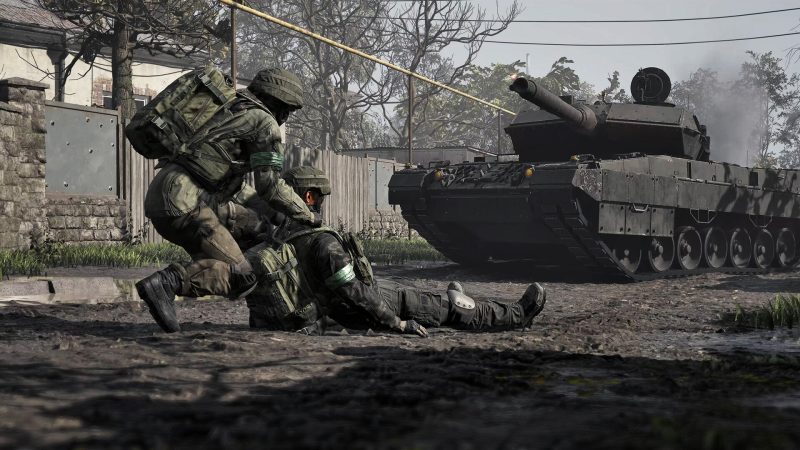
For players, this means Blue Team's reputation may finally get a reset in Season 2, but the real challenge is overcoming the community's groupthink. If the experiment works, it could shift team balanc…
For players, this means Blue Team's reputation may finally get a reset in Season 2, but the real challenge is overcoming the community's groupthink. If the experiment works, it could shift team balanc…
Key points - Blue Team (Lonestar) wins only 15% of Wardogs matches, while Red wins 36% and Green wins 49%. - UI director Howard Philpott says Blue's low winrate started in alpha due to popularity and map advantage. - Blue Team spawns in the middle of the map, leading to a perceived two-front war. - Season 2 will move team spawns on Bakuriani and launch a social experiment to change Blue's perception. - Color psychologist Karen Haller says the issue is a self-fulfilling prophecy, not the color blue itself.
Timeline - Pre-alpha: Blue Team becomes the most popular faction due to lore and American PMC aesthetic. - Alpha: New players join Blue, while competitive players switch to Red/Green due to map advantage. - Release: The perception that Blue Team is bad persists and spreads as a meme. - Season 2: Devs move team spawns on Bakuriani and launch a social experiment to change Lonestar's image.
FAQ
Q: Why does Blue Team lose so much in Wardogs? A: It's not the color—it's a self-fulfilling prophecy. New and less skilled players join Blue, while experienced players avoid it, perpetuating the meme.
Q: What are the current win rates for each team? A: Blue wins around 15%, Red wins around 36%, and Green wins around 49% of matches, according to Bulkhead.
Q: What changes are coming in Season 2 for Blue Team? A: The devs are moving team spawns on the Bakuriani map and launching a social experiment to help change the perception of Lonestar.
📰 Related Articles
Wardogs is getting loadouts, CEO confirms, but the devs want you to "k
Wardogs players, your wishes have been answered: you're gett…
Wardogs Season 2 adds new items, rainy weather, and rewards a faction
re the early access multiplayer military FPS Wardogs, you instead bribe players to trade sides with more in-game cash and [… ]
《AION2》、《WARDOGS》等新作人氣旺 Steam同時上線創4,350萬人新紀錄
Wardogs Season 2: What Blue Team Bonuses Mean for You
The bonuses could finally balance team populations and improve Blue's win rate, but may also make Blue the most popular team overnight. The progression wipe means all players start fresh, leveling the…
How Wardogs' Rain System Will Reshape Your Matches in Season…
The rain system will force players to adapt their playstyles, potentially creating a divide between those who love the tactical depth and those who dislike the reduced visibility and constant downpour…
What PS6 and Project Helix Mean for Wardogs Players
For players, this means Wardogs will likely be playable on next-gen consoles without a long wait or major compromises. For the industry, it shows developers are already planning for the next generatio…