FF7 Remake Split Into 3 Was a Huge Risk, Director Admits
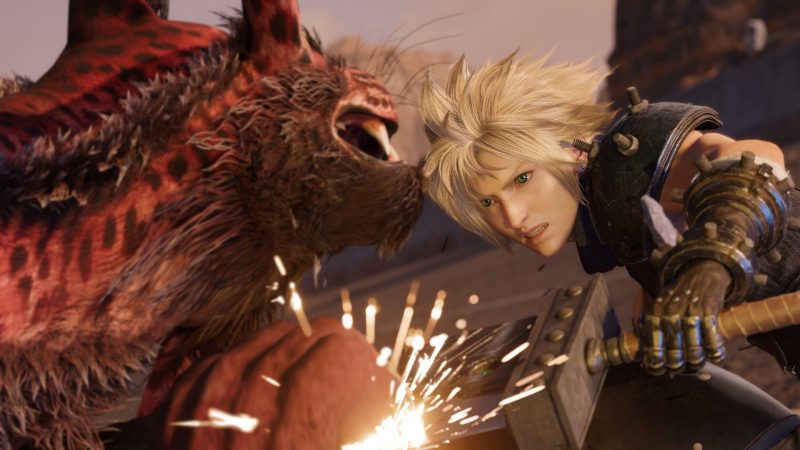
Final Fantasy 7 Remake director Naoki Hamaguchi says splitting the game into three parts wasn't a business decision but a massive creative risk that few would take.
Ever wondered why Final Fantasy 7 Remake got split into three whole games? You're not alone. When Square Enix first announced the episodic approach, plenty of fans rolled their eyes, assuming it was just a cash grab. But according to series director Naoki Hamaguchi, the decision had nothing to do with business—it was actually a huge gamble.
Speaking to Final Weapon, Hamaguchi explained that the sheer scale of remaking FF7 meant it couldn't be done in a single title. From a creative perspective, the massive project was necessary. But from a business perspective? "It's a totally different story," he said. And he's got a point. If the first game had flopped critically or commercially, what would happen to the remaining chapters? That's a terrifying thought for any publisher.
Hamaguchi also highlighted the logistical nightmare of keeping the same team together across all three titles. "There's also this need to keep the team as similar as possible across all of the titles," he noted, calling it "another huge headache, especially for people who control the strings." In other words, managing a trilogy like this isn't just about making games—it's about herding cats while building a skyscraper.
Despite the risks, the payoff has been undeniable. We've already gotten two fantastic RPGs, and the third entry, Final Fantasy 7 Revelation, is one of the most anticipated games of all time. Hamaguchi even said he can't imagine many other games getting the multi-title remake treatment, and he doubts he'll ever see a project on this scale again.
In an era where AAA budgets are ballooning out of control, pulling off a trilogy like this is nothing short of impressive. Sure, the devs have reused assets and streamlined some things, but even that doesn't guarantee smooth development—just look at the reported budgets for the Spider-Man sequels. The fact that Square Enix managed to pull this off without the whole thing collapsing is kind of a miracle.
And for players who found Rebirth a bit of a grind, there's good news: Revelation will let you automatically level characters and blast through the campaign. Hamaguchi apparently heard your pleas for a break from the JRPG grind. So whether you're here for the story, the combat, or just to see how it all ends, the final chapter is shaping up to be something special.
What do you think? Was splitting FF7 into three games the right call, or would you have preferred a single epic? Let us know in the comments!
📰 Related Articles
Final Fantasy Series Hits Record Lows in Massive Sale
Final Fantasy 7 Remake, Rebirth, and more hit historic low prices in a huge sale, alongside Octopath Traveler and Like a Dragon deals.
What Final Fantasy 7 Revelation Must Resolve for Players
For players, Revelation is the last chance to see these dangling plot threads resolved and the wider Compilation of Final Fantasy 7 fully integrated. For the industry, it sets a precedent for how ambi…
Square Enix Profits Soar as Final Fantasy 7 Rebirth and FF14 Deliver
Square Enix's first-half results jumped sharply, with revenue up 21.9% and net profit up 184.2%, powered by Final Fantasy 7 Rebirth, FF14 and strong software sales.
What a Final Fantasy TV Series Could Mean for Fans
A TV series could bring Final Fantasy's rich lore to a wider audience and offer fans a new way to experience the series beyond games.
How Star Wars Shaped Final Fantasy's Most Iconic Moments
This highlights how cross-medium inspiration fuels game design, and how Clair Obscur: Expedition 33 continues that tradition by drawing from Final Fantasy.
What Kitase's Comments Mean for Future Final Fantasy Remakes
Players can expect more original Square Enix games going forward, though beloved classics may still get remade if the right creative team is passionate about it.