A Mystery Chip Giant Is Eyeing the Memory Market — And It's Not Intel
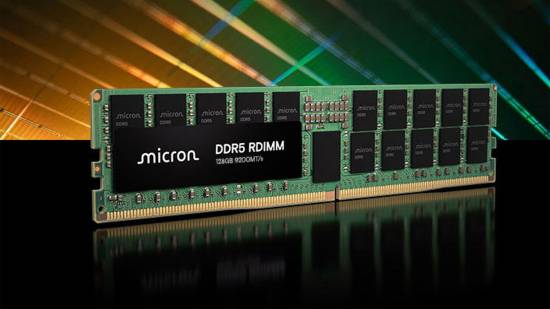
Memory prices have skyrocketed, and a new semiconductor player is reportedly preparing to jump in. The leaker won't name names, but the clues point somewhere interesting.
Memory chip prices have gone absolutely bananas over the past year, and the companies making them are laughing all the way to the bank. So it probably won't shock you to hear that a brand-new semiconductor player is reportedly getting ready to crash the party.
Right now, the memory market is basically a three-horse race. Samsung, SK Hynix, and Micron control around 90% of the whole thing. Below them sits China's CXMT, which has been moving fast, followed by Taiwanese players like Nanya Technology — outfits with tiny slivers of the pie that were nearly on their way out before this price surge handed them a second life.
And the profits? They're absurd. Memory makers are generally pulling in net margins above 80%, with some expecting 90-95% by the end of this year into next. One good year can eclipse decades of accumulated earnings. Naturally, that kind of money makes other companies very, very curious.
According to a tipster, a new company is about to enter the memory business — but the name is apparently so sensitive that they won't say it out loud. That silence did what silence always does: it sent the internet into full speculation mode.
Some guessed Intel. The tipster shot that down. That said, Intel does have its own memory ambitions, mainly aimed at AI memory, though whether we're talking ZAM or XBM, nothing would land until at least 2029-2030.
Other prominent semiconductor leakers floated SMIC and YMTC. But YMTC jumping into memory is basically an open secret at this point — hardly worth calling a scoop. As for SMIC, it has some flash chip business, but memory is probably not on its roadmap. Even if the high margins are tempting, the company simply doesn't have the bandwidth or the need to chase it right now.
The tipster behind this rumor is believed to be a TSMC employee who also runs a Weibo account, which makes TSMC the most likely candidate. It fits: TSMC has the cash, the motivation, and the R&D muscle. Doing logic and memory chips under one roof would be a nice bonus for AI chips, and its customers would probably cheer the move.
Then there's the other "sensitive" possibility — a certain Chinese tech giant starting with H. It has both the demand and the resources, and it quietly backed Fujian Jinhua, a domestic memory chip company. Not long ago, word spread that one of its own affiliated companies was entering the memory market using a 28nm process. That's a weird choice. If it's genuinely a memory process, it's ancient. If it's a logic process, it's even more outdated and arguably pointless.
So who's actually behind the mystery? TSMC, the H-company, or someone we haven't even thought of yet? Drop your best guess in the comments.
📰 Related Articles
Guild Wars 3 Embargo Lifts: What We Learned and What's Still a Mystery
The Guild Wars 3 embargo finally lifted, revealing juicy details from behind closed doors. We break down the key takeaways and unanswered questions.
Where Winds Meet: Unraveling the Strange Tales Mystery Quests
Dive into Where Winds Meet's Strange Tales mystery quests with our guide to Jianghu Legacy, Wandering Tales, and more.
CD Projekt Red Expands Team for Mystery Project Hadar
CD Projekt Red is ramping up hiring for its unannounced 'Project Hadar', aiming to grow the team to 50 developers by year-end. Here's what we know so far.
Pippin Actor Billy Boyd Voices Character in New Musical Mystery Game
Billy Boyd, known for playing Pippin in Lord of the Rings, lends his voice to a character in the upcoming musical mystery game 'There Are No Ghosts at the Grand'.
Saudi Fund Reportedly Eyeing EA Merger with Savvy Games
Saudi Arabia's Public Investment Fund is reportedly considering merging Electronic Arts with its Savvy Games group, according to unnamed sources. The potential move raises concerns about consolidation in the gaming industry.
Memory Crisis Forces Valve to Raise Steam Frame Price
The price hike may deter some buyers, potentially slowing VR adoption. It also highlights how the memory crisis is affecting consumer electronics across the board.