Why RPGs Keep Recycling the Chosen One, According to a Dev
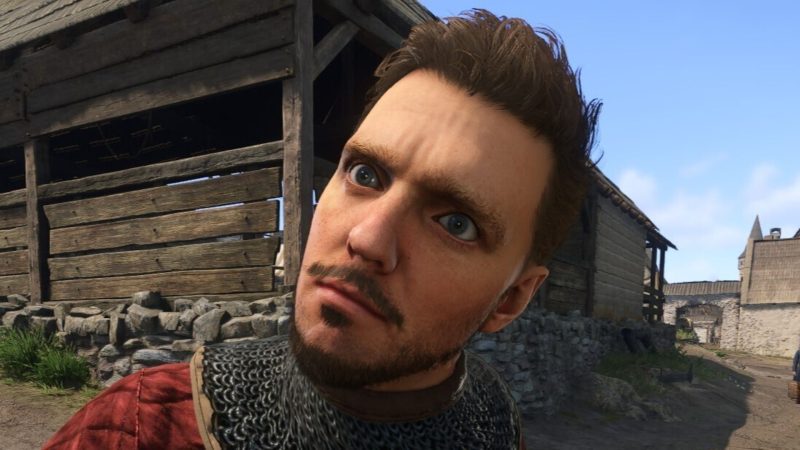
Klima's comments highlight a growing desire among older players for RPGs that break away from chosen-one tropes. If more developers listen, we could see a shift toward fresher, more varied storytellin…
Klima's comments highlight a growing desire among older players for RPGs that break away from chosen-one tropes. If more developers listen, we could see a shift toward fresher, more varied storytellin…
Key points - Martin Klima is co-founder of Warhorse Studios, the team behind Kingdom Come: Deliverance. - Klima says he is tired of RPGs where the player is a chosen one saving the universe. - He compares typical RPGs to Progress Quest, a satire of EverQuest's repetitive loop. - Klima believes today's older audience wants something different from teenage power fantasies. - He cites publisher risk-aversion, especially at Ubisoft, as a reason the formula persists.
Timeline - Before Kingdom Come: Deliverance: Klima grows bored with chosen-one RPGs and sees potential for a different kind of game. - Recent PC Gamer interview: Klima explains his frustrations and calls many RPGs 'still games for teenagers.' - Present day: Klima observes that the industry still relies on familiar power fantasies and publisher formulas.
FAQ
Q: What exactly did Martin Klima say about RPGs? A: He said many RPGs are still made for teenagers and that he's tired of chosen-one power fantasies. He wants more innovative games for today's older audience.
Q: Did Klima criticize any specific game? A: He mentioned Expedition 33 but explicitly said he's not hating on it. He also pointed to Ubisoft's franchises like Assassin's Creed and Far Cry as examples of recycled formulas.
Q: Why does Klima think publishers keep making chosen-one RPGs? A: He believes publishers prefer recycling proven formulas because it's financially safer, even if it leads to staleness over time.
📰 Related Articles
What GTA 6's Art Means for Players, According to a Former Ro…
His comments give players a rare, credible perspective on GTA 6's visual quality from someone who helped build it, while also sparking lighthearted debate about environmental details like rivers.
Why Smash Bros. Almost Didn't Happen, According to Sakurai
This insight shows how innovative game mechanics can face internal resistance but ultimately lead to a beloved franchise that reshaped the fighting game genre.
Why GTA: Tokyo Never Happened, According to a Rockstar Veter…
For fans, this revelation shows how close we came to a radically different GTA, and highlights Rockstar's long-standing struggle to expand the series beyond American satire.
What Bethesda's Design Philosophy Misses, According to a Sky…
Nesmith's comments highlight a design contrast that could influence future RPGs: whether to let players do everything or make choices truly matter. For players, it validates the appeal of replaying Ba…
Why a $300 PS5 Beats a $1,200 PS6, According to Ex-Sony Boss
Layden's comments highlight growing concerns that rising console prices could shut out budget-conscious players, while Sony's focus on premium hardware may leave the mass market behind.
What Elder Scrolls 6: Sentinel Means for Players, According…
Nesmith's perspective highlights the burnout developers can face and the value of fresh creative leadership, giving players hope that Sentinel will feel new and innovative.