What Yoko Taro's Dementia Comments Mean for Future Nier Game…
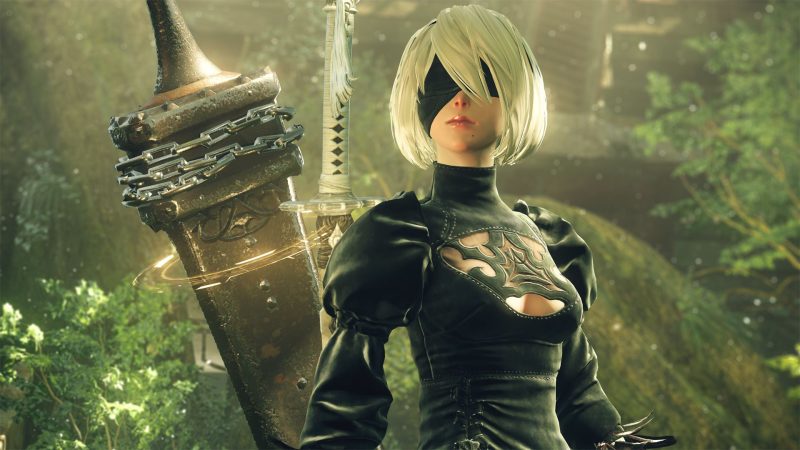
Yoko Taro's openness about his motivations and health concerns humanizes a legendary creator, while hinting that his story may not be over yet—potentially leading to more Nier games.
Yoko Taro's openness about his motivations and health concerns humanizes a legendary creator, while hinting that his story may not be over yet—potentially leading to more Nier games.
Key points - Yoko Taro said he's done with full-time game development but continues working to prevent dementia. - He spoke with Ender Lilies director Keisuke Okabe at The Tenth Mosaic opening ceremony in late September. - Taro stated the first Drakengard achieved everything he wanted to do in games. - Nier: Automata became a global sensation, elevating the franchise and Taro's reputation. - He mentioned that retiring early may increase dementia risk, motivating him to keep working.
Timeline - Late September: Yoko Taro speaks with Keisuke Okabe at The Tenth Mosaic opening ceremony. - Early 2000s: First Drakengard released, marking Taro's initial vision. - 2017: Nier: Automata launches and becomes a worldwide phenomenon.
FAQ
Q: Is Yoko Taro retiring from game development? A: He says he's done with full-time work and hopes to step away, but continues making games partly to prevent dementia.
Q: Will there be a new Nier game? A: No official announcement has been made, but Taro's continued involvement keeps hope alive for a third installment.
Q: Why does Yoko Taro keep working? A: He mentioned that data suggests retiring early increases dementia risk, so he uses that as motivation to overcome work frustrations.
📰 Related Articles
Yoko Taro Says He Wants to Retire, Fears Dementia Keeps Him Making Games
NieR creator Yoko Taro admits he's basically done with new projects and only keeps working to stave off dementia risk, though his trademark trolling leaves fans guessing.
Yoko Taro's Retirement Plan: Work to Avoid Dementia
Taro's candid remarks highlight the personal struggles of veteran developers and the evolving landscape of game creation, where younger creators have more opportunities but face fiercer competition.
What Zelnick's GTA 7 Comments Mean for Players
For players, it's a reminder to savor GTA 6 rather than rush to the next thing. For the industry, it shows the immense anticipation for Rockstar's next move, even on launch day.
RAM Prices Soar: What Altman's Comments Mean for PC Builders
Altman's comments highlight the tension between personal computing and AI's growing demand for memory, and may influence how players think about future PC builds amid rising RAM prices.
What Kemi Badenoch's GTA 6 Comments Mean for Players
Badenoch's comments suggest a shift in focus from game content to screen time, which could influence how politicians and parents discuss video games. For players, it means the debate around GTA 6 is l…
What Kaplan's Blizzard Comments Mean for Overwatch Players
The comments give players a rare look at the creative friction behind Overwatch and add context to ongoing debates about monetization and executive influence at big studios.