What F1's AI Deployment Chaos Means for Future Games
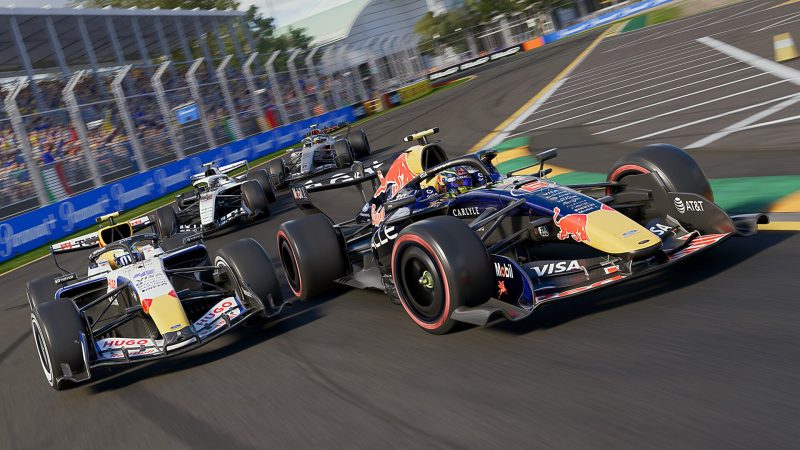
The AI deployment chaos raises questions for Codemasters: simulate the unpredictable reality or keep players in control. It could shape how future F1 games balance authenticity with playability.
The AI deployment chaos raises questions for Codemasters: simulate the unpredictable reality or keep players in control. It could shape how future F1 games balance authenticity with playability.
Key points - 2026 F1 regulations introduced AI-controlled power deployment on hybrid power units. - At Sepang, wet weather triggered a software glitch causing all 22 cars to crawl at 20mph on the warmup lap. - Valtteri Bottas crashed at Baku due to an energy deployment system error, not driver mistake. - Lando Norris accidentally overtook Lewis Hamilton at Suzuka when battery deployment triggered unexpectedly. - Codemasters' F1 games have historically simulated details like DRS and ERS battery management.
Timeline - 2009: Codemasters acquires the F1 license and begins its sim-cade approach. - 2026 season: New regulations introduce AI-controlled power deployment, leading to glitches and driver criticism. - Early October (Sepang): Software glitch causes all cars to lose throttle on warmup lap; teams install updates before race.
FAQ
Q: Why are F1 cars using AI to control power deployment? A: The 2026 regulations feature hybrid power units with a 50:50 ratio of turbo and electric power. AI manages deployment to optimize energy use, but it sometimes malfunctions.
Q: What is super-clipping in F1? A: Super-clipping is when the power unit reduces throttle to harvest energy for the electric motor, causing the car to coast before the braking zone.
Q: Will the next F1 game include these AI glitches? A: Codemasters hasn't confirmed. The 2026 season DLC lets players control battery deployment, but the real-world AI auto-deployment issues present a design challenge.
📰 Related Articles
What the Blade Runner Crossover Means for Valko's Future
This crossover highlights fan attachment to Valko and could pressure Infold to reconsider his cancellation, while also introducing Blade Runner themes to the otome genre.
What Lucasfilm's AA Strategy Means for Future Star Wars Game…
Players can expect a wider variety of Star Wars games across genres, as Lucasfilm embraces smaller studios and experimental projects alongside blockbuster releases.
GTA 4's Dark Shift: What It Means for the Series' Future
GTA 4's darker direction shows how Rockstar prioritizes reinvention over safe repetition, a philosophy that continues to shape its games and the open-world genre.
What Palworld's Pal Strategy Means for Future Updates
Players can expect fewer but more thoughtfully designed Pals in future updates, with ongoing balance adjustments based on feedback. This approach may prioritize quality over quantity, potentially lead…
What Edgerunners 2 and Resident Evil Mean for Future Adaptat…
This trend suggests future game adaptations may focus on building stories within established worlds rather than retelling existing plots, potentially leading to more successful and canon-friendly adap…
What Future Sight Battles Could Mean for Eternal Anima Playe…
The interview signals that Future Sight Battles and time travel are central selling points for Eternal Anima, giving players an early read on the game's identity before deeper gameplay details arrive.