Riot's 2XKO Needed Insane Player Numbers to Survive
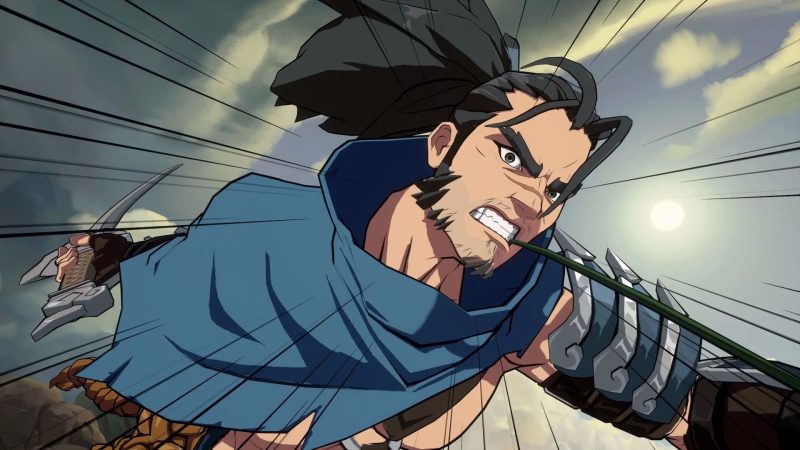
Riot Games reportedly required 2XKO to hit monthly active user counts in the high hundreds of thousands or millions, a target that doomed the fighting game from the start.
Ever wonder why Riot's fighting game 2XKO never stood a chance? According to a new report, the developer needed absurd player counts—"in the high hundreds of thousands, if not millions"—just to keep the lights on. That's a staggering bar for any game, let alone a fighting game.
The revelation comes from a podcast featuring Riot's Merrill, who framed the game's end as turning it into a "box game" instead of a live service. But let's be real: Riot also laid off a bunch of people to make that happen. The whole situation is a deep frustration for fans, though not exactly a shock given the brutal year the industry's been having.
So why is that number so unrealistic? Let's break it down. Monthly active users (MAU) counts unique players who log in at least once a month. That's a much bigger pool than concurrent players—those online at the same time. To put it in perspective, Street Fighter 6, one of the biggest fighting games on the planet, peaks at around 30,000 concurrent players on PC. Using some rough napkin math, that translates to maybe 100,000 daily players on PC. Even if you generously assume only 25% of players are on PC, you're looking at roughly 400,000 total daily players. And that's daily, not monthly.
To hit one million monthly active users, you'd need a constant influx of new or returning players every single day. Street Fighter 6 sold 7 million units between June 2023 and June 2026. Spread over 36 months, that's only about 194,000 potential new players per month—and sales are usually frontloaded. So even with the most generous estimates, SF6 barely scratches 500,000 MAU. That's shy of "high hundreds of thousands," and nowhere near "millions."
Compare that to Guilty Gear: Strive, which is still getting new characters and updates. Its 24-hour concurrent peak? Just 1,580 players. Yet it survives. So why did 2XKO need millions? The report raises uncomfortable questions: Did Riot get overconfident from its success in less niche genres? Did it skip proper market research? Were the developers inefficient? Or did Riot simply gamble, hoping to create something bigger than Street Fighter 6—rolling the dice on the livelihoods of the people making it?
None of those answers are flattering. But they paint a picture of a game that was doomed from launch, not by its quality, but by unrealistic expectations. For players, it's a reminder that even the biggest publishers can misread the market. And for developers, it's a cautionary tale about the dangers of chasing impossible numbers.
What do you think? Was 2XKO set up to fail from the start, or could Riot have made it work with different goals? Let us know in the comments.
📰 Related Articles
What Pearl Abyss' Q3 Numbers Mean for Black Desert Players
For players, the key takeaway is that Black Desert remains healthy even as Pearl Abyss navigates a softer quarter, so there's no immediate sign of disruption to the game.
What Slower IAE Numbers Mean for Star Citizen Players
A sustained drop in IAE sales and sign-ups could mean less revenue and fewer new players flowing into Star Citizen's alpha, putting more pressure on CIG's development funding between events.
GTA 6 Launch: What the Poll Numbers Mean for Players
GTA 6 is poised to break entertainment launch records and could cause a noticeable productivity dip, while its early award nominations signal strong critical buzz.
What the GDC Layoff Numbers Mean for Game Devs
The survey shows the layoff wave is deeper and longer-lasting than the previous report suggested, with many experienced developers still out of work and facing long job searches.
Switch 2 Sales Slip: What the Latest Numbers Mean for You
For players, the assurance of no further price hikes means the Switch 2's cost is stable for now, but a lighter release slate this year could affect momentum until big titles arrive in 2027.
What the Scariest RPGs Reveal About Fear in a Numbers Genre
This list highlights how RPGs can evoke fear through atmosphere, lore, and player choice, proving that even numbers-driven genres can deliver genuine dread.