Pokemon Community Rages as Scalpers Exploit Late Fan's Card
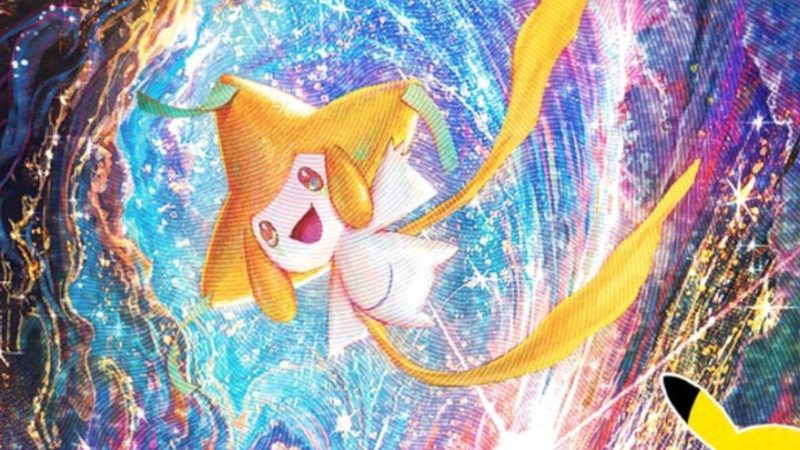
Scalpers are inflating prices of a Jirachi card linked to Avery the Poké Kid, a 12-year-old Pokémon fan who died after battling cancer. His family has spoken out, asking sellers to stop.
How low can scalpers go? In the Pokémon TCG community, that question is being asked with fury after reports that resellers are using the death of a 12-year-old fan to drive up card prices.
Avery the Poké Kid, a young Pokémon influencer, passed away in late September after a seven-year battle with pancreatic cancer. He loved Pokémon and its trading card game. His parents shared a video on Instagram of him opening two packs—and pulling a 30th Anniversary Jirachi SIR card. The clip went viral, even catching the eye of the card's artist, who reacted tearfully on social media.
But now, scalpers are reportedly using that heartfelt moment to profit. According to Dexerto, collectors noticed the Jirachi SIR card climbing in price—one user on X/Twitter said it jumped from $70 to $100, likely fueled by Avery's viral posthumous video. That's left a sour taste in the mouths of many in the community.
"So, what, we're using a 12-year-old child's death as a way to increase the price of a f**king Pokémon card? I'm utterly disgusted," one user wrote on X. Another added, "I'm so glad I was able to get this card before these losers jack up the price. It would've been so much sweeter to make it so everyone could get it to remember him, but nothing matters more than money I guess…"
The backlash grew so loud that Avery's family decided to speak out. On his official Instagram account, they posted a statement distancing themselves from any cards sold in his name and urged scalpers to remove listings that reference him.
"We are not involved in or benefiting from any cards being sold in Avery's name or likeness. We have not approved these sales. We have asked sellers to take their listings down. Please do so immediately. This does not honor Avery's generous heart. We are mourning our son and caring for our children. Please let us do that in peace," they wrote.
Support poured in from commenters. One wrote, "I can't believe scalpers are trying to profit off your pain. I'm so sorry, I can't even imagine how this all is weighing on you guys when you're just trying to live and heal." Another said, "Horrible that you have to even talk about this. Just know that there are decent humans praying for your family and not involved with this."
Scalpers aren't exactly winning here, though. The Pokémon Company made enough supply for its 30th Anniversary collection that resellers felt the impact on their businesses—and went viral complaining that everyone else could buy stock at regular retail prices.
What do you think about this situation? Let us know in the comments.
📰 Related Articles
FFXIV Community Mourns The Primals Bassist: In-Game Tributes…
The tributes highlight the strong emotional bond between FFXIV players and the game's music, turning virtual worlds into spaces for collective mourning.
What Losing Hunt: Showdown's Community Voice Means for Playe…
Losing a trusted, long-tenured community voice can shake player confidence in how a live service game communicates, and it highlights how layoffs reach far beyond the people directly affected.
What Olli's Quick Exit Means for Star Citizen's Community Te…
This short tenure highlights the challenges of community-facing roles in large, complex game projects, but it's unlikely to have a major impact on Star Citizen's development or community operations.
What Void Only's Story Means for the GTA Community
Jerry's story highlights the deep connections formed in gaming communities and the emotional investment players have in upcoming releases. It also shows how collective support can rally around a fello…
What Temp's Arrest Means for the CoD Community
The arrest puts a spotlight on a former CDL pro and raises questions about how the community and league respond while the legal process unfolds.
What OrbusVR's Community Revival Means for VR MMO Fans
For VR players, it's a rare second chance at an MMO they thought was gone for good, and it shows how former devs can keep community-driven projects alive after a studio moves on.