Mastering TFT Positioning: How to Place Your Units Like a Pro
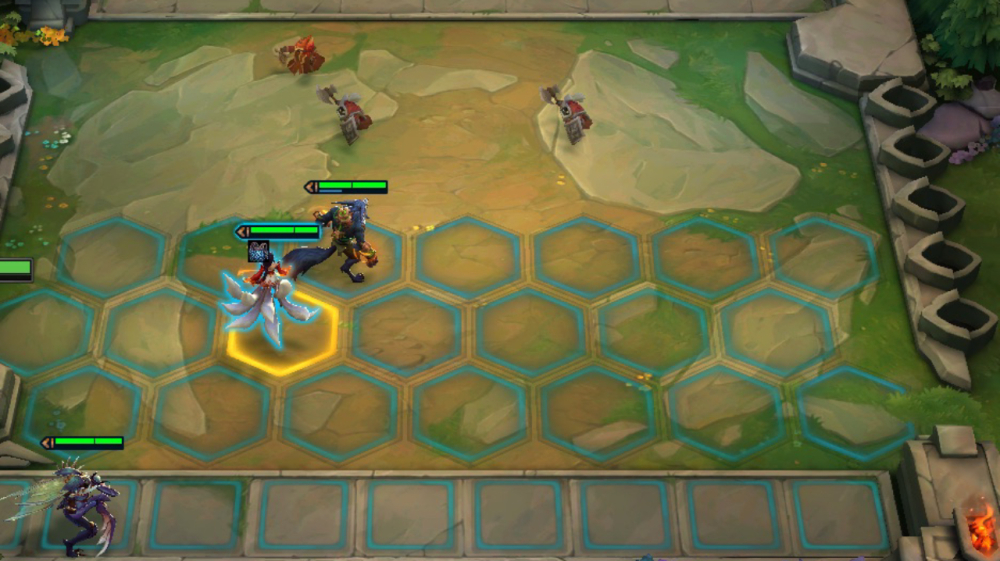
Learn essential TFT positioning tips to protect carries, counter threats, and climb ranks with confidence.
Every Teamfight Tactics player knows the sting of watching their carefully built carry get deleted in the opening seconds of a fight. You've nailed your economy, slammed the right items, and hit your key units—yet the victory screen seems just out of reach. Often, the culprit isn't your comp or your items; it's your positioning. In TFT, where you place your units can be the difference between a top-four finish and an early exit. This guide breaks down the art of unit placement, helping you protect your damage dealers, counter common threats, and adapt to the ever-changing board.
### The Core Principle: Frontline and Backline Separation
At its heart, TFT positioning revolves around a simple rule: tanks in front, carries in back. Your frontline—typically bulky units with crowd control or taunts—should absorb the initial burst of enemy damage, buying precious seconds for your backline to unleash their abilities. Meanwhile, your carries, who are often fragile but deal massive damage, need to stay out of harm's way. Proper separation ensures your damage dealers can operate without being focused down early. But don't just place your tanks anywhere; think about their abilities. For example, a Vanguard unit that projects a shield to adjacent allies should be clustered with your frontline to maximize coverage. Similarly, a melee bruiser that needs to get into the fray quickly might sit in the second row rather than the first, allowing faster units to engage first.
### Protecting Your Carry: Corner, Spread, and Diagonal
Your carry is the linchpin of your composition. If they die, your fight is likely lost. Thus, protecting them is paramount. One of the most effective techniques is corner placement, especially against Assassins. Assassins jump to the farthest unit from their starting position, which is often your backline carry. To counter this, place your carry in a corner and put a tanky decoy in the opposite corner. The Assassins will leap to the decoy instead, giving your carry precious time to deal damage. However, corner placement isn't always the answer. Against heavy AOE compositions, clustering your backline is a death sentence. Spells like Syndra's, Brand's, or Aurelion Sol's ability can hit multiple units in a radius, so space your carries at least two hexes apart to avoid losing them all to a single cast. For general protection, position your main carry diagonally behind your frontline rather than directly behind them. Many abilities fire in straight lines, and a diagonal offset makes it harder for enemies to chain-target your carry.
### Counter-Positioning Common Threats
To truly master positioning, you must adapt to what your opponents are fielding. This requires regular scouting. During the planning phase, click through other boards to see who you'll face next and what they're building. Look for Assassins, which should trigger an immediate repositioning of your carry to a safer spot. Also, note the strongest player in the lobby; you might want to position away from their ghost to avoid an early matchup. If you're facing a heavy AOE comp, spread your board out. Conversely, if you're fighting Assassins, you might actually want to stack your units to reduce the number of targets they can isolate. Additionally, consider item effects like Zephyr, which removes a unit from combat for a few seconds. You can bait it by placing a less essential unit in the path of the Zephyr, or you can position your carry to avoid being hit. Similarly, Shroud of Stillness increases the mana cost of enemies in a line, so you can position your casters away from that line.
### Set 17: Space Gods Positioning Nuances
The current set, Space Gods, introduces unique mechanics that affect positioning. For instance, Dark Star units gain stacking damage on kills. To maximize this, position them where they can clean up weakened enemies quickly, rather than isolating them in a corner. The N.O.V.A. trait provides buffs at the start of combat based on positioning, so read the trait effect and place your N.O.V.A. carrier accordingly. The Sniper trait grants bonus damage for each hex between the Sniper and its target, so place Snipers in the back row with a clear firing lane to maximize their damage output. Vanguards project shields to adjacent units, so clustering your frontline around them ensures more of your team benefits from the shield. These set-specific considerations can give you an edge over players who stick to generic positioning.
### Adapt, Scout, and Evolve
Positioning is not a static skill; it's a dynamic dance. Each round, you should reassess your board and your opponents' boards. As the game progresses and players are eliminated, the threats change. A comp that was safe in the early game might be vulnerable in the late game as players hit their power spikes. Regularly scout the strongest opponents and adjust your positioning to counter their win conditions. For example, if you're facing a player with a powerful backline carry, you might want to position your own frontline to dive their carry. Alternatively, if you're facing a heavy frontline, you might position your carries to focus down the tanks first. Remember, positioning is about maximizing your team's potential while minimizing vulnerabilities. It's a constant process of adaptation, but with practice, it becomes second nature.
### Final Takeaway
Positioning in TFT is a critical skill that separates good players from great ones. Start with the basics: tanks front, carries back. Then, learn to protect your carries with corner placement, spreading against AOE, and diagonal offsets. Scout your opponents and adapt your positioning to counter their strategies. And don't forget to account for set-specific mechanics like the Space Gods traits. With these tips in your arsenal, you'll be well on your way to climbing the ranks and securing more victories. So next time you enter a match, take a moment to think about where your units stand—it might just be the difference between a loss and a win.
📚 Related Guides
Mastering Honor of Kings Team Fights: Positioning and Teamwork Essentials
Learn the core principles of team fight positioning and teamwork in Honor of Kings to dominate ranked matches in 2026.
Game for Peace Tactical Guide: Final Circle Tactics and Sound Positioning
Tactical tips used by pro players to boost your chicken dinner rate.
Mastering Honor of Kings Map Objectives: Tyrant and Overlord Guide
Learn when and how to secure Tyrant and Overlord buffs to dominate Honor of Kings matches.
Mastering the Shadows: Honor of Kings Best Assassin Heroes Guide
Discover the top assassins in Honor of Kings as of September 2026, with tier rankings and expert tips for dominating the jungle.
Mastering the Mid Lane: Top Mages to Climb with in Honor of Kings (September 2026)
Discover the best mage picks for mid lane in Honor of Kings, with tips on wave control, roaming, and itemization to dominate the current meta.
Mastering the Roam Role in Honor of Kings: A 2026 Support Guide
Learn to dominate as a roam support in Honor of Kings with tips on vision, engage, and hero picks for September 2026.