Forza Horizon 6 Dev Tackles Itasha Ban Backlash: What's Really Allowed?
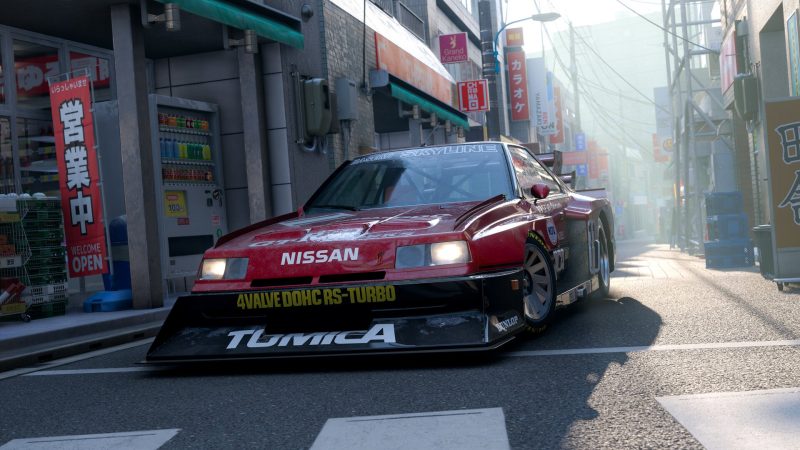
Turn 10 clarifies that Itasha designs are permitted, but explicit or suggestive content is banned. The update comes after months of player backlash over perceived unfair bans.
Have you ever spent hours crafting the perfect anime livery in Forza Horizon 6, only to worry it might get you banned? You're not alone. For months, players have been up in arms over the game's moderation system, claiming Itasha-style designs—those eye-catching cars decked out with manga, anime, and game characters—are being unfairly targeted. Microsoft and Turn 10 Studios have finally responded with updated guidelines, but will they calm the storm?
Itasha, literally "painful car" for their bold, sometimes cringeworthy looks, are a beloved part of Japanese car culture. In Forza Horizon 6's Japan setting, you'd think they'd be a perfect fit. But according to a wave of social media and Steam complaints, many creators have faced bans, leading to calls for boycotts. "If you love Japanese car culture, don't buy it," one user warned. Speculation ran wild: were AI moderators behind it? Were certain groups mass-reporting designs? Could you get permabanned just for having a screenshot of someone else's Itasha? The fear was real.
Turn 10's updated code of conduct aims to set the record straight. First, they clarified that all reported content is reviewed by human moderators, not AI. "The number of reports on a piece of content does not affect its prioritization or position in the queue," the guidelines state. So mass reporting won't fast-track a ban. Second, they addressed Itasha directly: "Itasha style designs are permitted; however explicit sexual content and sexually suggestive content are forbidden." They note that provocative poses, gestures, facial expressions, and emphasis on specific body parts can count as suggestive.
But not everyone is satisfied. Japanese commenters on X called the criteria "too vague," with one saying, "It's just the same as saying 'whatever I think is bad is bad!'" Another pointed out that poses like the "I pose" or "M pose" would likely be banned, and that the British-influenced political correctness makes the rules hard to grasp. The concern is that female anime characters in certain poses—or even characters whose perceived age is ambiguous—could trigger bans, especially under the Zero Tolerance Policy.
That policy is no joke. First violations usually get a warning, but repeated offenses lead to longer suspensions. However, if your design contains child sexual content, explicit sexual content, explicit nudity, or other extreme violations like hate speech or terrorism, you'll be permabanned without prior infractions. This is why some Itasha creators are nervous: a single misstep could cost them their entire account. And it's not just about creating—players allege that even screenshots of rule-breaking cars can get you banned.
Over on Steam, Forza Horizon 6's Japanese review status has dropped to "Mixed," with a surge of negative reviews. Even positive ones criticize the online experience as "extremely poor quality," citing issues with season missions and credit collection. "I find myself wondering if they couldn't be a bit more considerate towards their users," one reviewer wrote. "Given that the game itself is of such high quality, I feel it's a great shame that its reputation is being undermined by these issues."
It's worth noting that iconography bans aren't new—previous Forza titles also banned symbols like the Confederate flag and Nazi imagery. But the perception is that Forza Horizon 6 is stricter than its predecessors, and players are still confused about what's allowed. Will Turn 10 refine the rules further, or will Itasha fans have to tread carefully? What do you think—are the new guidelines clear enough, or will you be holding off on your next design?
📰 Related Articles
What the AI Caster Backlash Means for The Finals Esports
The takedown signals that esports fans and talent will push back hard when AI replaces human broadcasters, putting pressure on productions to keep real voices in the booth.
What the Pikmin 4 Switch 2 Backlash Means for Players
This backlash signals that players expect more from paid upgrades, and Nintendo may need to address content reuse and performance issues to maintain trust. It could also influence how future Switch 2…
Big Walk AI Backlash: What It Means for Players and Disclosu…
This controversy highlights the growing tension over AI transparency in games, and could push developers to disclose AI use upfront to avoid backlash.
What the Altman RAM Backlash Means for PC Builders
For now, the episode is a reputational story rather than a practical one — but it highlights how sensitive conversations about PC hardware purchases can get, and how quickly tech leaders' remarks can…
What the Lara Croft Marketing Backlash Means for Tomb Raider…
The story highlights the long-running tension between developers' creative vision and publishers' marketing instincts, and it frames how far Lara Croft's portrayal has shifted from the original realis…
Fortnite's Obsession Skin Sparks Backlash Over Respect for Character
Epic Games added Nikki from the horror film Obsession as a purchasable Fortnite skin, but some players say turning a possessed victim into a fun emote-wielding outfit disrespects her story.