Elder Scrolls' Wildest Lore Started as a Typo, Ex-Writer Reveals
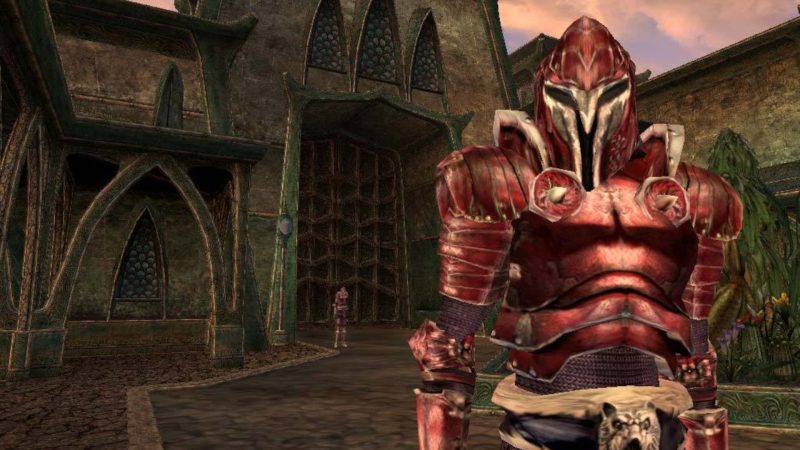
Ex-Bethesda writer Kurt Kuhlmann says the Dragon Breaks—the lore that made every Daggerfall ending canon—began as a simple date typo in a timeline.
Ever wonder how The Elder Scrolls gets away with having multiple endings that all somehow count? Turns out, one of the series' most mind-bending lore concepts might have started with a simple typo.
Kurt Kuhlmann, a writer and designer at Bethesda from 2003 to 2023, spilled the beans on the FRVR podcast. He explained that the Dragon Breaks—those moments when time gets all weird and distorted—came from a mistake someone made in a Daggerfall-era timeline. "I'm 100% convinced that, in reality, in our world, that was a typo," Kuhlmann said. "Someone just typed a date wrong in the timeline, skipped like 3,000 years or whatever by accident."
So how did a slip of the fingers become a cornerstone of Elder Scrolls lore? Enter Michael Kirkbride, a concept artist and writer on the series. He saw the gap and thought, why not lean into it? "He wrote up the thing about the Dragon Break," Kuhlmann recalled. Kirkbride pitched the idea as a way to solve a bigger problem: Daggerfall had multiple endings, and Bethesda didn't want to pick just one.
"Normally, you don't worry about that in a game," Kuhlmann explained. "If you want to have a sequel refer to the past, you're just going to have to pick one of those endings and move on." But Kirkbride had a wild idea: what if all the endings happened at once? "Mike was like, 'No, what we're gonna do: What if all of them happened, and you got Numidium, and it was all crazy metaphysical stuff. So why not?'"
That became the Dragon Break—named after Akatosh, the Dragon God of Time. Everyone sees all the different endings, no one knows what really happened, and it's this crazy metaphysical thing. It's a clever way to dodge committing to a single timeline, and it's been part of the series ever since.
Other RPGs have tried different tricks. Knights of the Old Republic picks one option from the first game. Mass Effect eventually locked in a single ending. Fable jumps forward in time to distance itself from your choices. But Elder Scrolls? It just says, "Time isn't real anyway. Who cares?"
And it clearly hasn't hurt the series—Elder Scrolls is now one of the biggest in the industry. So next time you're faced with a fork in the road, maybe ask yourself: why not both? What do you think of the Dragon Break lore? Will you be diving back into Tamriel anytime soon?
📰 Related Articles
The Elder Scrolls 6 Skills System: Will Todd Howard Rethink It?
Bethesda's Todd Howard once explained why Skyrim dropped traditional classes from Oblivion — and that design philosophy could shape The Elder Scrolls 6's skill system.
What Skyrim's Level Cap Mistake Means for Elder Scrolls 6
This change allowed players to keep enjoying their characters indefinitely, enhancing long-term engagement and setting a precedent for future Bethesda RPGs.
What the Sentinel News Drought Means for Elder Scrolls Fans
The lack of news means fans will have to wait even longer for concrete details on Sentinel, prolonging uncertainty about its platforms and release window. It also highlights Bethesda's effort to manag…
What Skyrim's 15th Anniversary Means for Elder Scrolls 6 Fan…
Fans hoping for a surprise Sentinel reveal will need to wait longer, as Bethesda remains tight-lipped about its upcoming RPG.
Bethesda Shuts Down Elder Scrolls 6: Sentinel Reveal Rumors
Bethesda has confirmed there will be no major announcement about The Elder Scrolls 6: Sentinel anytime soon, dashing fans' hopes for a surprise reveal on the series' anniversary.
What Skyrim's Leveling Change Means for Elder Scrolls 6
Skyrim's freeform leveling set a new standard for player freedom in RPGs, and its success will likely influence how Bethesda approaches character progression in The Elder Scrolls 6.