ARC Raiders Stash Size Upgrade: How to Maximize Your Inventory Space
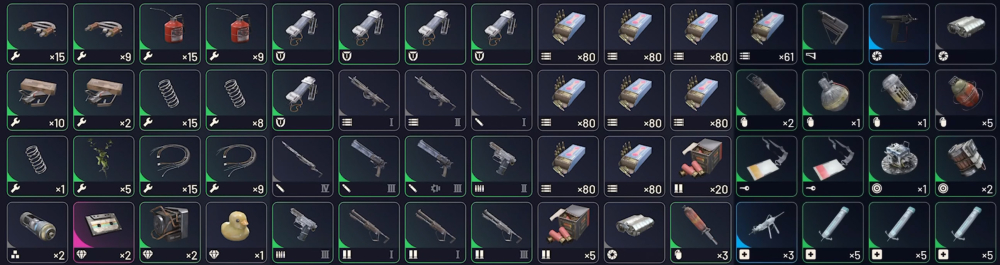
Learn how to upgrade your stash in ARC Raiders, from costs to inventory management tips, to keep your loot flowing.
You've just extracted from a successful raid, your backpack brimming with high-tier loot, only to find your stash in Speranza overflowing with no room for the good stuff. It's a familiar frustration for ARC Raiders players. But fear not—expanding your stash is straightforward, and with smart inventory management, you'll never have to leave valuable gear behind again.
**Starting Storage: What You Get**
When you first arrive in Speranza, your stash offers 64 slots for permanent storage, while your backpack capacity varies by loadout. The stash is your base of operations, holding all extracted items until you sell, recycle, or use them. The backpack, on the other hand, is your raid inventory, determining how much you can carry per run. Both can be expanded, but in different ways.
**How to Upgrade Your Stash Capacity**
Upgrading your stash is a coin-based investment. In your inventory screen, look for the "Expand" button at the top of your item slots, between the "Loadout" and "Stash" labels. Click it to see the cost and benefit of the next tier, then confirm if you have enough coins.
The expansion follows a tiered pricing model:
- **First upgrade:** 5,000 coins, adds 24 slots (total: 88) - **Second upgrade:** 10,000 coins, adds 24 slots (total: 112) - **Third upgrade:** 15,000 coins, adds 24 slots (total: 136) - **Fourth upgrade:** 20,000 coins, adds 24 slots (total: 160) - **Fifth upgrade:** 25,000 coins, adds 24 slots (total: 184) - ...and so on, with each upgrade costing 5,000 more coins and adding 24 slots.
The maximum stash capacity is 200 slots, which requires significant coin investment, making it a long-term goal. Early on, focus on Workshop upgrades and essential gear first, as the base 64 slots are usually enough. As you establish farming routes and extract regularly, invest in the first few expansions to avoid inventory bottlenecks. Late game, when you're accumulating wealth, you can push toward the cap.
**Inventory Management: The Mindset Shift**
A cluttered stash is a slow stash. The core principle is to keep what you use and sell everything else. Just because an item is good doesn't mean you need to hoard it. For example, the Bobcat is a strong weapon, but if you don't run PvP builds, it's wasted space. Sell it. Your stash should reflect your current playstyle, not serve as a museum of past loot.
Higher-tier loot makes it easier to scrap lower-tier items. Once you start running 2x event raids and coming back with better gear, that old blue you've been hoarding becomes easier to let go.
**Zero-Stock and Low-Stock Categories**
Some items should never sit in your stash. Ammo, for instance, should be bought or crafted right before a raid—never stockpiled. The exception is if you're pre-loading an expensive caliber for a big run, but buy it just before you drop. Weapon attachments should always be equipped on weapons; loose attachments are dead weight. Equip or sell them.
Augments, like ammo, shouldn't be stockpiled unless you have a specific reason. A few stacks (2–4) for PvP is reasonable, or if you've found a particularly strong one without a blueprint. The exception is if you regularly use a purple augment like the Survivor and lack its blueprint—then it's worth saving them when you find them. Prioritize hunting that blueprint so you can craft on demand.
Shields follow the same logic: keep a small working reserve of your preferred tier, blueprint the best options, and craft to restock. Aim for no more than 5 stacks total.
Keys are another category where you should use them or give them away. An unused key is worthless. Use them on regular raids rather than waiting for a 2x event; it's better to use them and miss a multiplier than to let them gather dust. If you don't want them, give them to a squadmate.
**Dynamic Categories: Adapt to Your Goals**
Crafting materials should be kept based on what you're working on. If you're stocking up on guns, keep all the metal, rubber, springs, mech components, and gun parts you can. If you're upgrading workbenches, gather materials quickly, hold them until the upgrade is done, then stop hoarding. A single stack of most important crafting items is usually enough. Slots are better filled with craftable items than raw materials you haven't decided to use.
Equipable utilities like medkits (Mullein) and grenades are used fast. Keep a working supply—roughly 40–60 stacks across the category—and craft or buy to replenish. Don't let this category bloat.
Seeds should be spent on items you can't easily refine yourself, like springs, gun parts, and duct tape. Keeping 1 stack of seeds on hand is useful for Celeste's shop, which occasionally has exactly what you need for a quick craft.
**High-Value Items Worth Keeping**
Weapons are one of the best stores of value and utility in the game. They hold more item value per stash slot than most categories. Collect them, use them, and repair or upgrade the ones you like. Keeping 100–150 weapons on hand is reasonable if you're running raids frequently and burning through loadouts.
Large, high-value ARC components are also worth keeping. A single three-slot component can be worth more than many smaller items, so prioritize them.
**Takeaway**
Mastering your stash in ARC Raiders is a balance between upgrading your capacity and managing what you keep. Start with the cost-effective early expansions, adopt a "keep what you use" mindset, and let your stash reflect your current goals. With these strategies, you'll always have room for the good stuff.
📚 Related Guides
ARC Raiders: How to Level Up Fast – The Ultimate XP Guide
Master efficient XP farming in ARC Raiders with our top strategies for fast leveling.
ARC Raiders Trading Post: How to Trade and Master Vendor Progression
Learn how to trade at ARC Raiders trading posts, meet specialist NPCs, and optimize your loadout progression with this guide.
ARC Raiders Loot Guide: What to Sell vs. Keep for Maximum Value
Master ARC Raiders loot management with our keep, sell, or recycle guide, featuring item values and pro tips.
ARC Raiders Rocketeer Enemy: How to Counter and Defeat It
Learn how to counter the Rocketeer in ARC Raiders with weak points and strategies, plus other ARC enemies.
How to Beat the Bastion in ARC Raiders: Locations, Weak Spots, and Loadouts
Master the Bastion in ARC Raiders with our guide covering locations, weak spots, best loadouts, and tactics.
ARC Raiders Best Weapon Mods: Top Attachments Ranked
Discover the best weapon mods in ARC Raiders, ranked by impact, plus loadout tips for PvP and PvE.